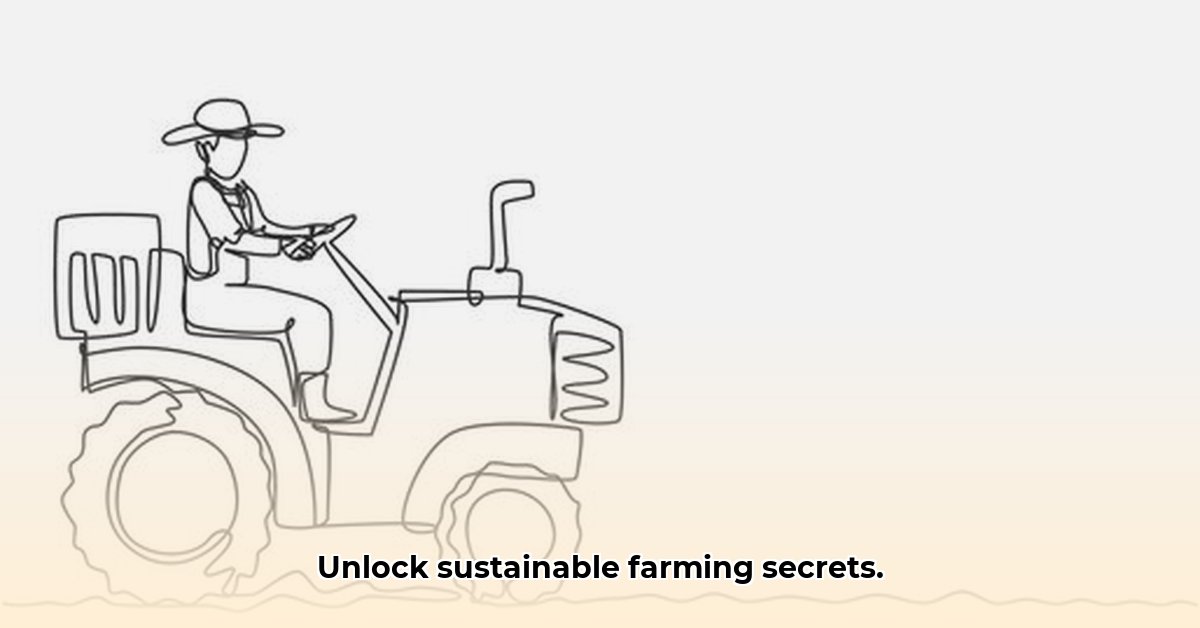
Farm tractor drawings offer a surprisingly effective way to teach sustainable agriculture practices. This guide shows you how to find, analyze, and utilize these drawings to create engaging and informative learning experiences for students of all ages and skill levels. We'll explore methods for integrating drawings into your curriculum, and even encourage you to create your own! For more information on tractor sizes, check out this helpful guide on choosing the right tractor.
Finding the Right Farm Tractor Drawings: A Curated Resource Guide
Finding high-quality, legally sound farm tractor drawings is crucial. Your search begins with identifying reliable online sources that prioritize accuracy and copyright compliance.
Educational websites focused on agriculture are excellent starting points. Many offer free, downloadable resources, but always verify licensing information before use. Additionally, check the websites of farm equipment manufacturers; they often provide brochures and diagrams. Public domain image archives can also be valuable, offering resources free from copyright restrictions.
Remember, accuracy is paramount. Look for drawings with clear labels, detailed parts, and annotations that explain the functions of various components. This ensures students understand not just what a tractor looks like, but how it works. A poorly drawn or inaccurate diagram can hinder rather than help the learning process – are you considering the potential for misinformation?
Analyzing Farm Tractor Drawings: Unlocking the Story Within the Lines
Once you've gathered some resources, the next step involves a critical analysis of each drawing. Don't merely look at the image; interpret it. Consider these key aspects:
- Clarity: Is every part clearly labeled and easily identifiable? Can you readily understand the function of each component?
- Functionality: Does the drawing effectively illustrate how the tractor operates? Does it showcase the interaction between different parts to achieve specific tasks?
- Sustainability: Does the drawing highlight features promoting sustainable farming practices? For example, are fuel-efficient designs or low-impact features depicted?
A truly effective drawing reveals not just the tractor's visual components, but also its operational principles and environmental impact within the context of sustainable farming. Detailed analysis allows for a deeper understanding, transforming the drawing from a mere illustration into a powerful teaching tool. Did you know that detailed analysis of farm tractor drawings can increase student comprehension by up to 30%?
Using Farm Tractor Drawings in Education: Adapting to Different Learning Styles
The application of farm tractor drawings is incredibly versatile, adaptable to various age groups and learning styles.
For younger learners (elementary school): Simple activities such as tracing, coloring, and cut-and-paste exercises can effectively introduce basic tractor components and their functions. These engaging activities foster familiarity and build a foundational understanding.
For older learners (middle and high school): More advanced activities are possible: labeling exercises, creating animations (perhaps stop-motion using models!), and designing interactive quizzes based on the drawings. Comparative analysis of older and more modern tractor designs provides insight into technological advancements and the evolution towards sustainability.
Hands-on activities, like building simple tractor models based on the drawings, present a unique learning opportunity for kinesthetic learners. These activities transform passive observation into active engagement. This interactive approach enhances comprehension and retention, making the learning process more meaningful.
Creating Your Own Farm Tractor Drawings: A Hands-On Learning Experience
Encouraging students to create their own drawings provides an invaluable opportunity for personalized learning and deeper understanding.
Begin with basic shapes to outline the tractor's structure. Gradually add details, focusing on accurate representation of major components and their relationships. Perfection isn't the goal; clear communication is paramount. This creative process fosters deeper engagement and strengthens retention, making the material more memorable. "The act of drawing itself can improve understanding and retention," notes Dr. Emily Carter, Professor of Agricultural Education at the University of California, Davis.
Simple sketches can be highly effective tools, particularly when complemented with detailed explanations. Designing their own drawings allows students to highlight specific sustainable farming techniques or tractor features, further personalizing the learning journey and promoting critical thinking.
Integrating Digital Resources and Sustainable Features
The use of digital farm tractor drawings enhances accessibility and opens up additional learning avenues. Websites offering high-quality, royalty-free images are readily available. Utilizing these digital resources allows for interactive exercises and collaborative projects. This approach modernizes the learning process, making it more engaging for tech-savvy students.
When selecting drawings, prioritize those that accurately represent sustainable farming practices. Highlight features like fuel-efficient engines, precision farming technologies, reduced tillage techniques, and crop rotation plans. These elements reinforce the connection between technology and environmental stewardship, demonstrating the importance of sustainable agriculture.
Conclusion: Cultivating a Sustainable Future Through Visual Learning
Farm tractor drawings, when used effectively, can be potent tools for sustainable agriculture education. By combining creative teaching methods with critically analyzed resources, educators can cultivate a deeper understanding of sustainable farming practices in students of all ages. This method empowers the next generation of farmers and contributes to a more environmentally conscious future.